2026-09-05 ·
Green Waste Skip Bins Geelong: What Garden Waste Is Accepted?
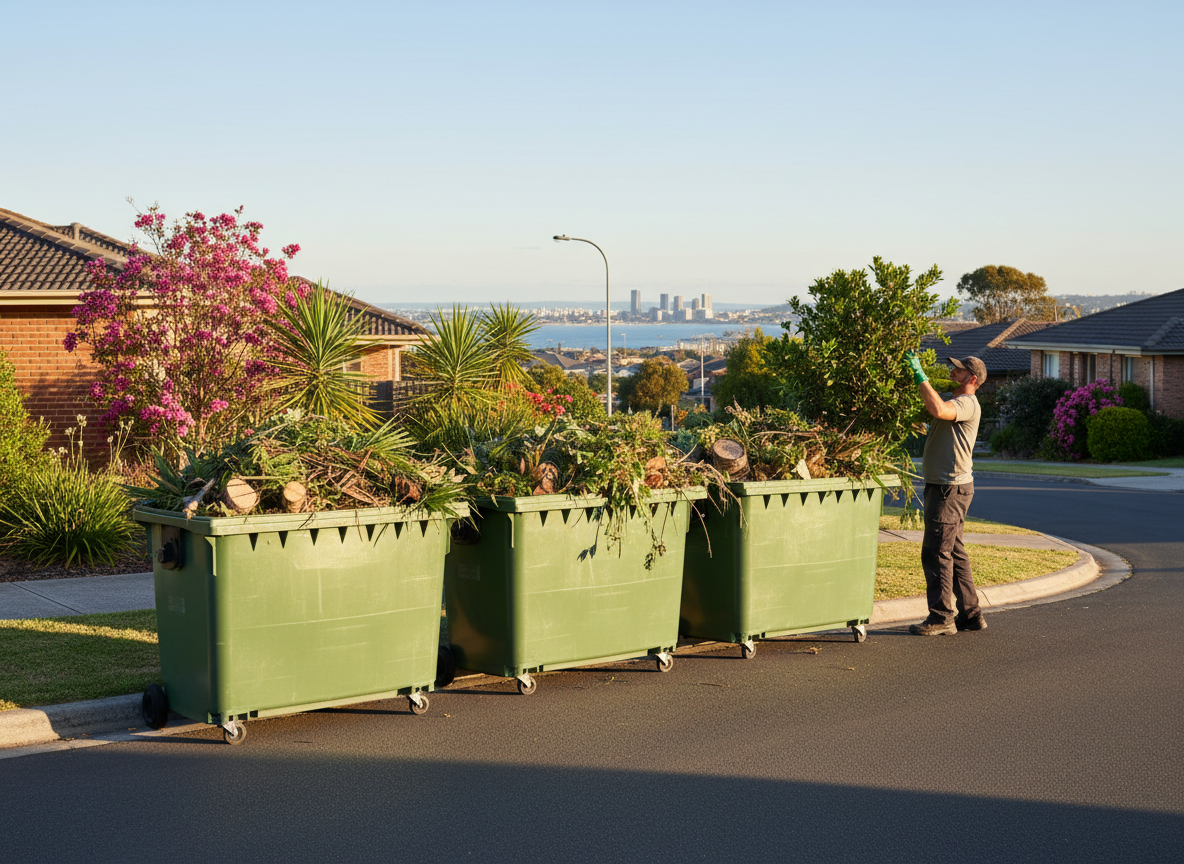
Green waste skip bins in Geelong accept grass clippings, leaves, hedge prunings, weeds, small branches (typically under 150 mm diameter) and untreated garden timber. They do not take soil, rocks, treated pine, pots, plastic, or mixed household rubbish. That split matters because processors around the Geelong area compost or mulch only clean vegetative material; a few bags of dirt or a treated sleeper can send the whole load to landfill and add a contamination charge. Owner-operated hire from Geelong, Vic 3220, with hours Mon–Fri 8am–6pm and Sat 9am–2pm, is built around that rule so Belmont, Highton and Newtown gardens can empty a weekend of pruning without guessing.
What Counts as Garden Waste Here
On the ground in Geelong and surrounds, “green” means plant material that grew in the yard, not dirt that came with it. Typical housing in Newtown, Geelong West and East Geelong still has mature liquidambars, pittosporum hedges and overgrown agapanthus; Highton and Grovedale blocks often add large eucalypt drop after wind. Those jobs fill a bin with leaves, twigs and cut stems. Weeds from Corio and Norlane nature strips, ivy from older Hamlyn Heights fences, and palm fronds from coastal-edge gardens in Moolap all count if they are plant tissue only. Lawn thatch after a spring cut in Waurn Ponds or Armstrong Creek is accepted when it is not mixed with turf soil. Untreated palings from a rotting fence in Lara can go in if they are timber only—no nails-heavy posts mixed with concrete. The test is simple: if it was living plant or untreated wood from the garden, it belongs; if it is mineral, plastic or chemically treated, it does not. That is why a dedicated garden waste skip hire load composts cleanly instead of being rejected at the gate.
Items That Belong in the Bin
Load these without wrapping them in plastic bags (bags contaminate compost):
- Grass clippings and lawn thatch, loose or in paper
- Fallen leaves from liquidambar, oak and gum
- Hedge trimmings: pittosporum, photinia, lilly pilly
- Weeds, ivy, agapanthus leaves and flower stalks
- Branches and prunings generally under 150 mm thick, cut to lengths that sit below the rim
- Palm fronds, bamboo canes (untreated), rose prunings
- Untreated timber offcuts from garden beds and palings
- Spent potting mix only if it is mostly organic fibre with no large soil clods
Keep pieces short enough that they do not spear through the mesh or sit proud of the sides. Over-length branches from a Highton gum after a northerly are the usual reason a driver cannot tarp the load. If you are unsure about a stump or a thick trunk, ask before you book a green waste skip hire rather than mixing it with dirt.
What You Must Keep Out
Contamination is the main reason green loads fail in this region. Do not put in:
- Soil, clay, turf rolls with soil attached, or clean fill
- Rocks, bricks, concrete, pavers
- Treated pine, CCA sleepers, painted timber, MDF
- Plastic pots, irrigation pipe, weed mat, shade cloth
- Food scraps, general household waste, nappies
- Ash from fireplaces (often mixed with coal or treated wood)
Geelong’s heavier clay in low-lying Corio and Breakwater makes people shovel soil “to fill gaps.” That soil is not green waste; it needs a separate soil and dirt skip hire or it will be rejected. Treated sleepers from old veggie beds in Leopold and Drysdale look like timber but they are not compostable. A single contaminated bin can cost more than hiring the right stream from the start. If the job is a full landscape strip with both plants and dirt, use two bins or a mixed landscaping stream rather than hoping the processor will sort it.
How Local Gardens and Weather Shape the Load
Spring growth in Belmont and Newtown after winter rain fills bins fast with soft prunings; late summer in Grovedale and Mount Duneed brings dry, bulky gum litter that looks light but stacks high. Autumn leaf drop from established trees in Geelong West and Manifold Heights can fill a 3 m³ bin in a single weekend if you bag nothing. Coastal wind across Ocean Grove and Barwon Heads snaps fronds and small limbs; those belong in green waste if they are not mixed with roof tiles or fence wire. Clay soil that sticks to roots in Lara and Lovely Banks is the usual hidden contaminant—knock roots clean before they go in. Flat inner-suburb driveways in South Geelong make placement easy; steeper Highton and Fyansford sites need the bin on the nature strip with council rules in mind so the truck can lift a wet, heavy green load after rain. Wet grass after a week of showers weighs far more than dry autumn leaves, so the same cubic size can hit weight limits sooner. That is why size choice is about both volume and how wet the material is, not a guess from a photo. For a walk-through of capacities, see skip bin sizes Geelong: what size bin do I need?.
Booking, Placement and a Clean Handover
Book when you can fill the bin in a few days so wet grass does not sit and heat. Place it on a hard stand or permitted nature strip; keep 1 metre clear for the truck. Cut branches so nothing sits above the rim—overfilled green loads cannot be tarped for the run from Newtown or Corio. Leave treated timber and soil in a separate pile. If the job is mostly plants plus a little timber, a green bin is cheaper and cleaner than mixed general waste. Hours are Mon–Fri 8am–6pm and Sat 9am–2pm from Geelong, Vic 3220; say whether the load is mostly lawn, hedge or storm-drop so the right size turns up. After collection, a clean green load goes to composting rather than landfill, which is the point of sorting it on the driveway in the first place. If your next job is a full yard strip with pavers and dirt, switch streams rather than contaminating this one.